
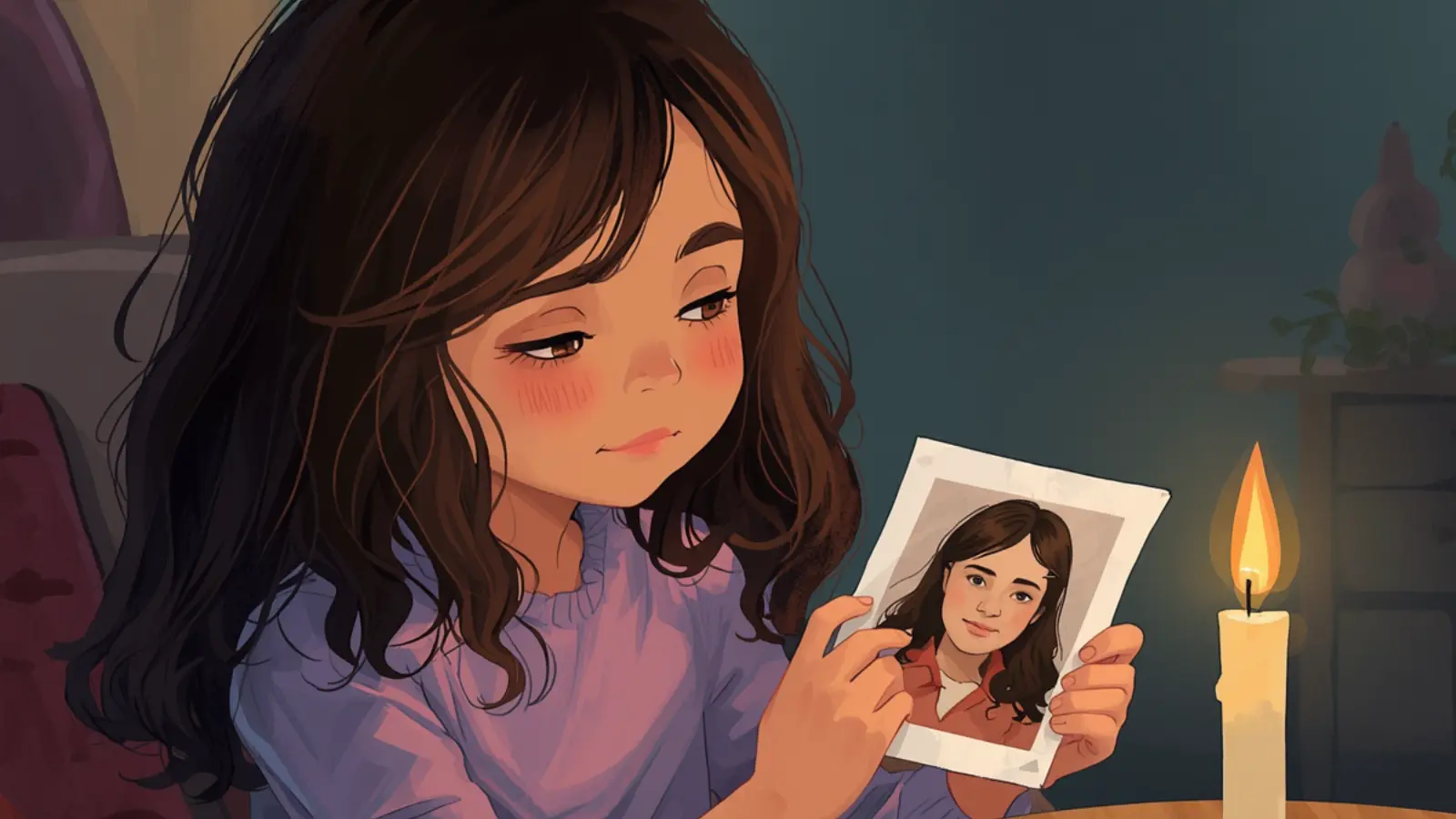
Grief is strange. It sneaks up on you in grocery aisles, in old voicemail recordings, in songs you didn’t expect to hurt. And sometimes surprisingly it shows up in laughter.
Yes, laughter.
For many people, dark humor becomes a coping tool. It’s not about disrespect. It’s about survival. It’s about taking something unbearably heavy and, for a moment, making it light enough to carry.
That’s where dead mom jokes come in.
They live in the uncomfortable space between pain and punchline. Some people use them to process loss. Some use them to shock. Some just want edgy humor. But behind it all? Real emotion. Real psychology. Real human behavior.
This article explores the humor, the boundaries, the emotional layers, and the cultural conversation around dead mom jokes — with warmth, awareness, and yes, a little sass.
1. The Emotional Psychology Behind dead mom jokes and Why People Laugh Anyway

-
😅 Humor helps regulate overwhelming grief emotions.
-
🧠 Dark jokes reduce anxiety through controlled exposure.
-
💔 Laughter creates distance from painful memories.
-
🎭 Comedy becomes armor against vulnerability.
-
🫶 Shared jokes build bonding after shared loss.
-
😬 Shock humor activates adrenaline and attention.
-
🤍 Irony gives control over uncontrollable events.
-
🧩 Humor reframes tragedy into digestible moments.
-
🪞 Jokes reflect unresolved emotional tension.
-
🌧️ Laughter releases emotional pressure valves.
-
💬 Gallows humor exists in trauma-heavy professions.
-
🕊️ Comedy softens conversations about death.
-
🔄 Repetition of jokes desensitizes intense sadness.
-
🌸 Sometimes laughing means healing has begun.
2. Cultural Perspectives on dead mom jokes Across Generations
-
📺 Millennials grew up with edgy sitcom humor.
-
📱 Gen Z normalizes dark memes online.
-
📻 Older generations prefer softer grief humor.
-
🌍 Western culture tolerates sarcasm more openly.
-
🛐 Some cultures see death jokes as taboo.
-
🎤 Stand-up comedy shaped shock-humor trends.
-
🧓 Family upbringing influences tolerance levels.
-
🎮 Internet communities amplify boundary-pushing jokes.
-
📚 Literature historically used satire about death.
-
🧠 Cultural trauma shifts humor thresholds.
-
🎭 Theater once used tragedy-comedy blends.
-
🏫 Peer groups normalize specific humor styles.
-
📊 Social media algorithms reward edgy content.
-
🌺 Context always determines acceptability.
3. When dead mom jokes Become a Coping Mechanism Instead of Cruelty

-
💞 Self-directed jokes feel less offensive.
-
🫂 Shared grief allows mutual understanding.
-
🧘 Humor can coexist with genuine mourning.
-
🧠 Therapists acknowledge dark humor as coping.
-
💌 Private jokes feel safer than public ones.
-
🔐 Consent matters in grief conversations.
-
🌊 Timing determines emotional impact.
-
🫶 Compassion transforms tone completely.
-
🪶 Light teasing differs from mockery.
-
💬 Open communication prevents hurt feelings.
-
🕰️ Fresh grief needs gentler boundaries.
-
🎈 Humor can release bottled sadness.
-
🌷 Intent shapes interpretation.
-
💖 Respect keeps coping healthy.
4. The Line Between Offensive and Clever in dead mom jokes
-
🚫 Targeting real grieving people crosses lines.
-
🧠 Context determines audience comfort.
-
🎯 Punching down feels cruel.
-
😇 Self-deprecating humor feels safer.
-
📍 Public platforms amplify harm.
-
💡 Wordplay softens dark themes.
-
🧍 Personal experience changes sensitivity levels.
-
🎭 Delivery affects perception dramatically.
-
🫢 Shock without wit feels lazy.
-
🧩 Clever structure makes humor smarter.
-
🌡️ Emotional temperature of room matters.
-
🔄 Recycled jokes feel more abrasive.
-
💬 Tone can imply empathy or contempt.
-
⚖️ Balance determines whether it lands.
5. Why the Internet Amplifies dead mom jokes So Quickly
-
📱 Viral content rewards shock value.
-
🔁 Memes spread faster than nuance.
-
🎮 Anonymous spaces reduce accountability.
-
💬 Comment sections escalate edginess.
-
📊 Algorithms prioritize high engagement.
-
😈 Edgy humor sparks emotional reactions.
-
🧵 Threads create competitive joking.
-
🌍 Global audiences vary in sensitivity.
-
📸 Screens distance us from consequences.
-
🧠 Short-form humor reduces context.
-
🎭 Performance culture encourages boundary pushing.
-
⚡ Instant feedback fuels repetition.
-
🤳 Influencers test limits for attention.
-
🔥 Controversy increases visibility.
6. Ethical Considerations Around dead mom jokes in Social Spaces
-
🧭 Empathy should guide humor choices.
-
🫶 Respect grieving individuals’ boundaries.
-
🚪 Avoid jokes at funerals.
-
📚 Consider cultural mourning traditions.
-
🎤 Public platforms require extra caution.
-
🧠 Think before posting impulsively.
-
💬 Apologize sincerely if someone’s hurt.
-
🤝 Consent matters in close friendships.
-
⚖️ Freedom of speech isn’t freedom from consequences.
-
🧍 Know your audience well.
-
🌧️ Fresh loss needs gentler conversations.
-
📍 Private humor doesn’t equal public humor.
-
💖 Compassion outweighs cleverness.
-
🌷 Choose kindness over shock.
7. The Role of Timing in Delivering dead mom jokes
-
⏳ Immediate grief isn’t ideal timing.
-
🕰️ Years later feels different emotionally.
-
📍 Setting affects reaction dramatically.
-
🎉 Parties aren’t always appropriate spaces.
-
🧠 Emotional readiness varies person-to-person.
-
🌅 Healing stages shift humor tolerance.
-
🫢 Surprise jokes increase discomfort.
-
💬 Conversation flow matters.
-
🎭 Performance settings allow more leeway.
-
📱 Text tone lacks vocal warmth.
-
🧘 Calm environments reduce shock.
-
🫂 Shared history changes boundaries.
-
💡 Read body language cues.
-
🌸 Patience protects relationships.
8. Writing dead mom jokes Without Sounding Heartless
-
✍️ Focus on absurdity, not pain.
-
🎭 Use exaggeration carefully.
-
🧠 Avoid real personal attacks.
-
💬 Keep tone playful, not harsh.
-
🌷 Self-awareness adds charm.
-
🫶 Add emotional intelligence.
-
😅 Use irony over insult.
-
🎯 Make wit sharper than shock.
-
🧩 Build clever word structure.
-
🌸 Avoid targeting real tragedies.
-
📚 Study ethical dark humor examples.
-
🧠 Remember humor ages differently.
-
🪶 Keep delivery light.
-
💖 Prioritize humanity first.
9. How dead mom jokes Fit Into Dark Comedy History
-
🎭 Tragedy-comedy dates back centuries.
-
📖 Shakespeare blended grief and humor.
-
🎤 Stand-up normalized taboo topics.
-
📺 Sitcoms explored family loss lightly.
-
🎬 Films mix sorrow with irony.
-
🧠 Psychology embraced gallows humor research.
-
🪦 War narratives used dark wit.
-
📚 Satire often tackles mortality themes.
-
🧍 Comedians use personal grief stories.
-
🎙️ Podcasts discuss trauma with humor.
-
🌍 Cultural shifts widen humor boundaries.
-
📱 Digital age intensifies exposure.
-
🔄 Trends recycle shock formats.
-
🌗 Humor evolves with society.
10. Emotional Triggers to Watch Before Sharing dead mom jokes
-
💔 Recent bereavement increases sensitivity.
-
🧒 Childhood trauma affects reactions.
-
🧠 Unresolved grief resurfaces quickly.
-
🧍 Family conflicts intensify responses.
-
📅 Anniversaries amplify emotions.
-
📸 Photos trigger sudden sadness.
-
🎵 Songs reopen memories.
-
💬 Certain phrases hit harder.
-
🫢 Public embarrassment worsens hurt.
-
🌧️ Stress lowers humor tolerance.
-
🧠 Mental health struggles heighten impact.
-
🫶 Empathy prevents accidental harm.
-
🪞 Self-reflection avoids missteps.
-
🌸 Pause before pressing send.
11. Friendship Dynamics and dead mom jokes
-
🤝 Inside jokes require mutual comfort.
-
🫶 Close friends read emotional cues.
-
💬 Clear communication prevents resentment.
-
😅 Shared grief strengthens humor bonds.
-
🧠 Trust allows vulnerability.
-
📍 Public teasing differs from private humor.
-
🫢 Respect when someone says stop.
-
🎭 Tone shifts in group settings.
-
🧍 New friends need caution.
-
🌷 Apologies strengthen friendships.
-
💖 Humor should connect, not divide.
-
🔄 Boundaries evolve over time.
-
🕊️ Emotional safety builds loyalty.
-
🌸 Compassion always wins.
12. Social Media Trends Around dead mom jokes
-
📱 TikTok popularizes shock humor quickly.
-
🧵 Threads escalate edgy competition.
-
📸 Meme culture simplifies grief themes.
-
🔁 Reposts dilute original context.
-
🎭 Influencers test controversial limits.
-
📊 Engagement metrics reward boldness.
-
🧠 Audiences desensitize gradually.
-
💬 Comments reveal emotional divides.
-
🌍 Global sharing increases cultural clashes.
-
🧍 Anonymity fuels braver posting.
-
📍 Private stories become public screenshots.
-
⚡ Trends fade but screenshots remain.
-
🫶 Positive humor communities exist too.
-
🌸 Digital empathy still matters.
13. Healing Through Laughter: Reclaiming dead mom jokes After Loss
-
🌷 Laughing doesn’t erase love.
-
🫶 Humor honors shared memories gently.
-
🧠 Therapy sometimes encourages light reframing.
-
💬 Talking reduces grief isolation.
-
🎈 Smiles coexist with tears.
-
🕊️ Peace grows slowly over time.
-
🪞 Jokes reflect acceptance stages.
-
💖 Love remains beyond death.
-
🌅 Healing looks different for everyone.
-
🤍 Grief evolves, never disappears.
-
🧘 Compassion toward yourself matters.
-
📖 Storytelling preserves legacy.
-
🌸 Laughter can feel like permission.
-
💞 Humor can be healing.
14. Final Thoughts on Navigating dead mom jokes With Sensitivity and Strength
-
💖 Lead with empathy always.
-
🧠 Understand psychological layers.
-
🌷 Respect diverse grief journeys.
-
😅 Laugh thoughtfully, not carelessly.
-
🫶 Protect emotional safety.
-
📍 Choose audience wisely.
-
🎭 Balance wit with warmth.
-
💬 Communicate intentions clearly.
-
🌸 Avoid exploiting real pain.
-
🕊️ Healing deserves gentleness.
-
🧍 Personal boundaries vary.
-
💡 Growth includes self-awareness.
-
🤍 Humor and love can coexist.
-
🌅 Compassion makes everything lighter.
Frequently Asked Questions About dead mom jokes
1. Are dead mom jokes always considered offensive?
Not always — but they can be. It depends on context, timing, relationship dynamics, and intent. If the joke is directed at someone actively grieving, it can feel deeply hurtful. However, when shared between people who use dark humor as a coping tool, it may feel bonding instead of offensive. Emotional intelligence is key. Always read the room, understand your audience, and prioritize empathy over shock value.
2. Why do people make jokes about deceased parents?
Psychologically, dark humor can help people process grief, anxiety, and fear surrounding mortality. Making light of something painful gives a sense of control. For some, dead mom jokes aren’t about disrespect — they’re about survival. Humor can reduce stress hormones and create emotional distance from overwhelming sadness.
3. Is dark humor a healthy coping mechanism?
In moderation, yes. Research in psychology shows that gallows humor can reduce emotional intensity and increase resilience. However, it becomes unhealthy if it replaces genuine emotional processing. Humor should complement healing, not suppress it. Balance matters.
4. When is it inappropriate to share dead mom jokes?
It’s inappropriate during fresh grief, funerals, memorials, or when someone has expressed discomfort. Public platforms also require extra caution because tone can be misinterpreted. If there’s any doubt, it’s safer to avoid the joke entirely.
5. How can I tell if someone is uncomfortable with dark humor?
Watch body language, silence, forced laughter, or topic changes. In digital conversations, look for short replies or delayed responses. When unsure, ask directly. Clear communication prevents misunderstandings and protects relationships.
6. Can joking about a deceased parent mean someone hasn’t healed?
Not necessarily. For some, humor signals acceptance and emotional growth. For others, it might mask unresolved pain. Healing looks different for everyone. The key is whether the humor feels empowering or avoidant.
7. Do social media platforms encourage more extreme humor?
Yes. Algorithms reward engagement, and controversial jokes often spark strong reactions. This can push creators to escalate edginess. Unfortunately, nuance often gets lost in viral content cycles.
8. Are there safer ways to approach dark humor?
Absolutely. Focus on absurdity rather than personal attacks. Keep the tone self-aware. Avoid targeting real grieving individuals. And always prioritize consent within your audience.
9. Why do some people laugh at uncomfortable jokes?
Laughter can be a nervous response. When confronted with taboo topics like death, the brain releases tension through humor. It doesn’t always mean approval — sometimes it’s simply shock regulation.
10. How can I apologize if a joke went too far?
Be direct, sincere, and specific. Avoid defensive language. Acknowledge the impact, even if the intent wasn’t harmful. Empathy repairs more than explanation ever will.
Conclusion
At the heart of it all, dead mom jokes aren’t just about shock or edginess. They sit at the intersection of grief, psychology, culture, and human connection.
Humor can heal. Humor can harm. The difference is empathy.
When we approach dark comedy with emotional intelligence, compassion, and awareness, we honor both laughter and loss. And maybe just maybe we learn how to carry heavy things a little more lightly.

Lily Witty smart wordplay aur pun jokes likhne mein expert hai. Is ka content funny hone ke sath creative bhi hota hai 😄✨