
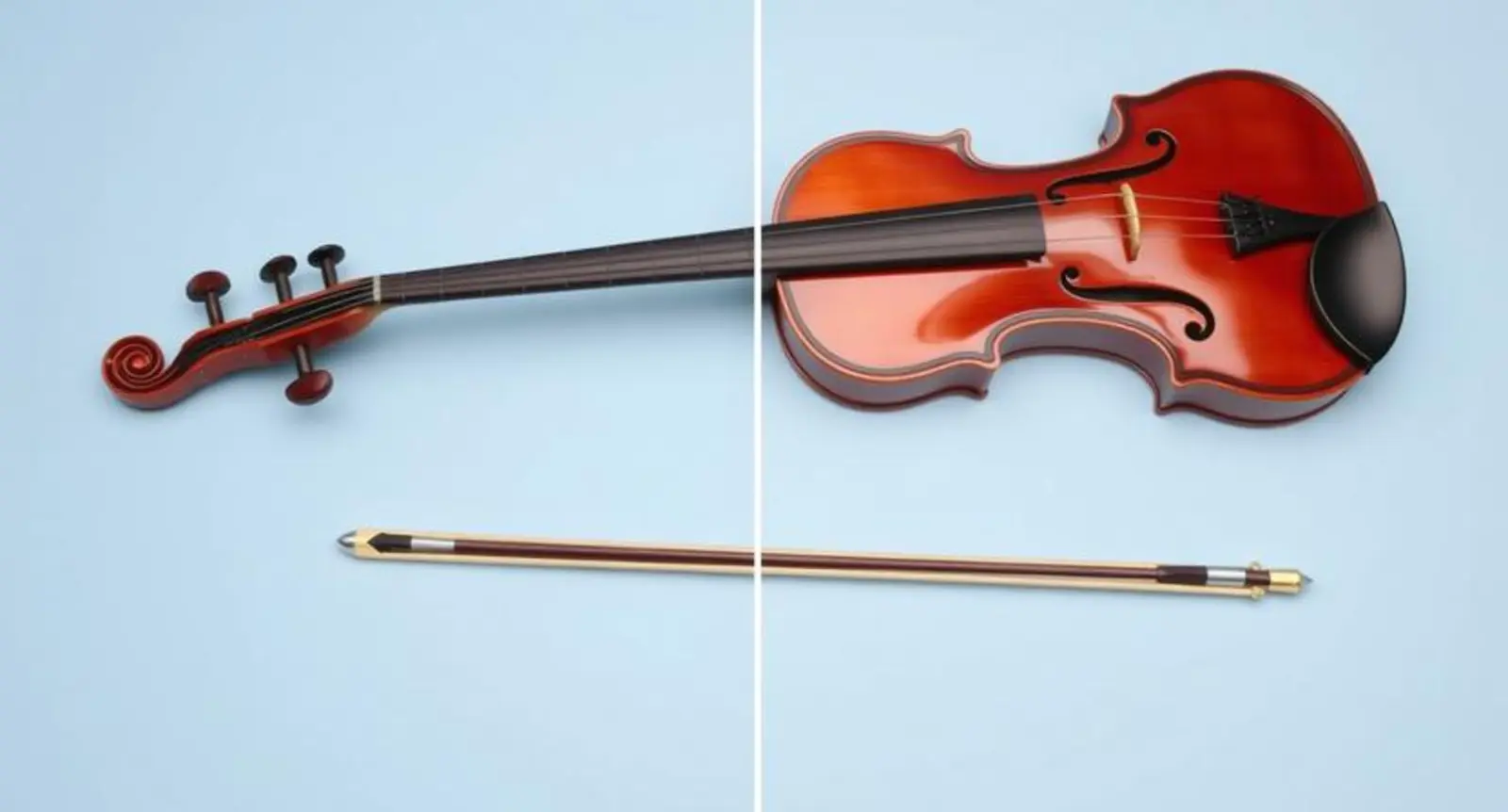
Picture this: a dusty barn glowing with string lights, boots tapping on wooden floors, someone shouting, “Play that fiddle!” Now imagine a grand concert hall, velvet curtains rising as a soloist gently lifts her violin under crystal chandeliers. Same instrument. Different vibe.
And somewhere between those two worlds lives the classic difference between fiddle and violin joke.
You’ve probably heard it. You’ve probably laughed. But beneath that playful punchline is a surprisingly rich story about music, culture, identity, and even human psychology. Today, we’re not just repeating the joke — we’re unpacking it, savoring it, and understanding why it continues to charm musicians and non-musicians alike.
Let’s dive in.
1. Why the Difference Between Fiddle and Violin Joke Still Makes Musicians Smile
-
🎻 It playfully exaggerates musical stereotypes we instantly recognize.
-
😂 It turns cultural contrast into a simple, clever punchline.
-
🎶 It reflects genre differences: classical versus folk traditions.
-
🧠 It taps into shared knowledge about performance styles.
-
💃 It highlights posture versus freedom in playing technique.
-
🎼 It hints at sheet music versus playing by ear.
-
🤠 It nods to country, bluegrass, and Celtic roots.
-
🎩 It contrasts tuxedos with denim overalls.
-
🎤 It’s easy to remember and repeat socially.
-
🌍 It travels across cultures because the instrument is universal.
-
💬 It sparks conversations about musical identity.
-
🧡 It’s affectionate, not insulting — that’s why it works.
-
🎵 It celebrates diversity in sound expression.
-
✨ It reminds us humor connects communities through art.
2. Cultural Layers Hidden Inside the Difference Between Fiddle and Violin Joke
-
🌾 Fiddle culture often connects to rural storytelling traditions.
-
🏛️ Violin culture aligns with formal Western classical heritage.
-
🪕 Folk music emphasizes community participation.
-
🎻 Classical music often centers technical mastery.
-
🗺️ Fiddling spans Irish, Appalachian, and Scandinavian roots.
-
📚 Violin pedagogy thrives in conservatories and academies.
-
🔥 Fiddle sessions encourage improvisation and spontaneity.
-
📖 Violin recitals usually follow structured repertoire.
-
🎉 Fiddles bring life to dances and celebrations.
-
🎶 Violins shine in orchestras and chamber ensembles.
-
🤝 Folk traditions prioritize shared energy over perfection.
-
🎯 Classical training prioritizes precision and discipline.
-
🌟 Both reflect pride in musical heritage.
-
💫 The joke thrives because these contrasts feel familiar.
3. Performance Style and the Difference Between Fiddle and Violin Joke Explained
-
🎵 Fiddle players often use rhythmic bowing patterns.
-
🎼 Violinists focus on tonal purity and articulation.
-
💃 Fiddling supports dancers with driving tempo.
-
🎻 Violin playing emphasizes dynamic contrast and phrasing.
-
🤠 Fiddlers may stomp while playing.
-
🎩 Violinists typically maintain formal stage posture.
-
🔊 Fiddle sound can be raw and energetic.
-
🎶 Violin tone often aims for smooth elegance.
-
🎧 Folk players adapt tunes on the fly.
-
📜 Classical players follow notated compositions closely.
-
🪩 Fiddle performances feel interactive and communal.
-
🕯️ Violin concerts feel focused and reverent.
-
🎤 Fiddlers might sing along while playing.
-
✨ The joke captures these performance contrasts instantly.
4. Emotional Psychology Behind the Difference Between Fiddle and Violin Joke
-
😂 Humor reduces tension around cultural differences.
-
🧠 Our brains love simple contrasts.
-
We relate to stories about identity.
-
🎻 The instrument becomes a symbol of belonging.
-
🏡 Fiddle suggests warmth and home.
-
🎼 Violin suggests ambition and refinement.
-
🤭 The joke plays with perceived social status.
-
🎶 It invites playful rivalry, not conflict.
-
💬 Shared laughter builds group cohesion.
-
🌟 It validates both traditions equally.
-
💡 It simplifies complexity into one witty line.
-
🎤 It makes music accessible through humor.
-
🤝 It bridges classical and folk audiences.
-
✨ That emotional balance keeps it timeless.
5. Technical Truths Beneath the Difference Between Fiddle and Violin Joke
-
🎻 Physically, fiddle and violin are identical instruments.
-
🔧 Setup adjustments may differ slightly.
-
🎵 Fiddlers sometimes prefer flatter bridges.
-
🎼 Violin setups support clean string separation.
-
🎧 Strings may vary for tonal preference.
-
🛠️ Fine tuners are common in both styles.
-
🎶 Bow technique differs more than hardware.
-
🎻 Body structure remains unchanged.
-
🎼 Tuning is typically the same: G-D-A-E.
-
🎵 Ornamentation styles vary by genre.
-
🔊 Amplification appears more in modern fiddling.
-
🎧 Classical violin rarely uses electronic effects.
-
🧰 Instrument craftsmanship overlaps completely.
-
💡 The joke thrives despite technical sameness.
6. Social Identity Wrapped in the Difference Between Fiddle and Violin Joke
-
🤠 Calling it a fiddle signals folk identity.
-
🎩 Calling it a violin signals classical affiliation.
-
🧑🎓 Labels influence perceived skill level.
-
🎵 Musicians choose terminology intentionally.
-
🪕 Genre communities build strong subcultures.
-
🎶 Language shapes audience expectations.
-
🧠 Identity influences performance confidence.
-
🌍 Regional traditions affect naming preferences.
-
🏡 Fiddle connects to grassroots storytelling.
-
🎼 Violin connects to institutional prestige.
-
🤝 Both labels carry pride.
-
💬 The joke highlights identity fluidity.
-
🎻 Many players switch between both worlds.
-
✨ Humor softens identity boundaries.
7. Education Systems and the Difference Between Fiddle and Violin Joke
-
🎓 Violin training often begins with formal lessons.
-
🎵 Fiddling may start by ear at home.
-
📚 Classical programs use graded exams.
-
🎶 Folk traditions use mentorship and sessions.
-
🎻 Suzuki method dominates early violin education.
-
🪕 Fiddle camps encourage improvisation skills.
-
🎼 Sheet music literacy is central in violin.
-
🎧 Listening skills are central in fiddling.
-
🧑🏫 Teachers shape stylistic habits.
-
🎤 Community gatherings reinforce fiddle techniques.
-
🎯 Classical competitions reward precision.
-
🪩 Fiddle contests reward groove and flair.
-
📖 Curriculum differs more than instrument design.
-
💡 The joke exaggerates educational contrasts beautifully.
8. Sound Aesthetics in the Difference Between Fiddle and Violin Joke
-
🔊 Fiddle tone often feels earthy.
-
🎻 Violin tone often feels polished.
-
🎶 Folk styles favor rhythmic drive.
-
🎼 Classical styles favor melodic nuance.
-
🧡 Fiddle vibrato may be minimal.
-
💎 Violin vibrato is carefully developed.
-
🎵 Double stops are common in fiddling.
-
🎻 Clean shifting matters in violin repertoire.
-
🎧 Ornamentation differs dramatically.
-
🌾 Slides and grace notes shape fiddle tunes.
-
🎼 Bow distribution is highly controlled in violin.
-
🪕 Groove defines strong fiddle performance.
-
🎶 Expressiveness exists in both forms.
-
✨ The joke simplifies complex sound aesthetics.
9. Stage Presence and the Difference Between Fiddle and Violin Joke
-
🎩 Violinists often dress formally.
-
🤠 Fiddlers dress comfortably or thematically.
-
🎻 Classical concerts demand stillness.
-
💃 Fiddle gigs invite movement.
-
🎼 Orchestra seating is structured.
-
🪩 Fiddle bands stand close together.
-
🎤 Audience interaction differs widely.
-
👏 Folk crowds clap mid-song.
-
🤫 Classical audiences wait until the end.
-
🎶 Lighting and venues vary greatly.
-
🌟 Energy levels feel distinct.
-
🎻 Both require strong stage confidence.
-
💬 The joke paints this contrast vividly.
-
✨ Visual imagery fuels its humor.
10. Pop Culture Influence on the Difference Between Fiddle and Violin Joke
-
🎬 Movies romanticize classical violinists.
-
🎵 Country songs celebrate fiddlers.
-
📺 TV talent shows feature both styles.
-
🎤 Viral videos blur genre boundaries.
-
🌍 Social media spreads musical memes quickly.
-
🎻 Cross-genre collaborations grow popular.
-
🪕 Folk revival movements resurface globally.
-
🎼 Symphony orchestras modernize programming.
-
🎧 Streaming exposes listeners to hybrids.
-
🎶 Genre labels soften over time.
-
😂 The joke spreads easily online.
-
💬 Comment sections debate definitions passionately.
-
🌟 Both identities gain renewed visibility.
-
✨ Humor keeps the conversation light.
11. Linguistics Behind the Difference Between Fiddle and Violin Joke
-
🧠 Words shape perception instantly.
-
🎻 “Violin” sounds formal and refined.
-
🪕 “Fiddle” sounds playful and casual.
-
📖 Language carries cultural memory.
-
🎵 Naming influences emotional reaction.
-
🗣️ Dialect affects terminology choice.
-
🌍 Regional speech preserves folk naming.
-
🎼 Academia reinforces classical vocabulary.
-
💬 The joke relies on semantic contrast.
-
😂 Punchlines depend on expectation shifts.
-
🧩 Cognitive bias simplifies categories.
-
🎶 Both terms describe the same object.
-
💡 That linguistic twist fuels humor.
-
✨ It’s a masterclass in semantic play.
12. Modern Hybrids and the Difference Between Fiddle and Violin Joke
-
🎻 Many classical players learn fiddle techniques.
-
🪕 Fiddlers study classical fundamentals.
-
🎶 Genre blending defines modern musicians.
-
🎧 Electric violins appear in both scenes.
-
🎼 Fusion bands erase strict boundaries.
-
💃 Folk orchestras now exist globally.
-
🌟 Artists reject rigid labels.
-
🎤 Studio production blends styles seamlessly.
-
📲 Online tutorials mix techniques freely.
-
🎵 Audiences enjoy crossover performances.
-
🤝 Collaboration replaces rivalry.
-
🎻 Identity becomes flexible.
-
💬 The joke evolves with context.
-
✨ Humor adapts to modern hybridity.
13. Why Beginners Love the Difference Between Fiddle and Violin Joke
-
🎶 It answers a common beginner question.
-
🎻 It reduces intimidation around classical music.
-
🤠 It makes learning feel approachable.
-
📚 It sparks curiosity about genres.
-
🎵 It opens discussions about technique.
-
🧠 It clarifies that the instrument is identical.
-
💬 Teachers use it as an icebreaker.
-
🎤 Students feel included in musical culture.
-
🎼 It humanizes professional musicians.
-
🌟 Humor boosts retention and learning.
-
🎻 It makes music history memorable.
-
🪕 It encourages exploration of both styles.
-
It connects emotion to education.
-
✨ That’s powerful for beginners.
14. The Deeper Meaning of the Difference Between Fiddle and Violin Joke
-
🎻 It reminds us labels shape perception.
-
🎵 It celebrates diversity within sameness.
-
🧠 It simplifies complex cultural evolution.
-
🤝 It encourages mutual respect.
-
🌍 It reflects global music traditions.
-
🎼 It honors both discipline and freedom.
-
💃 It values joy alongside mastery.
-
🎩 It challenges social assumptions gently.
-
🎶 It shows identity is fluid.
-
💬 It sparks meaningful conversation.
-
😂 It proves humor teaches effectively.
-
🎻 It unites musicians across genres.
-
It highlights shared passion for sound.
-
✨ It’s more profound than it seems.
FAQ: Everything You’ve Wondered About the Difference Between Fiddle and Violin Joke
1. What is the classic difference between fiddle and violin joke?
The classic punchline usually goes something like this: “The difference between a violin and a fiddle? You don’t spill beer on a violin.” It humorously contrasts formal classical settings with relaxed folk environments. The joke isn’t about the instrument itself — because they’re physically identical — but about culture, context, and performance style. It works because it simplifies complex musical traditions into one playful contrast, making it easy to remember and fun to share.
2. Is there any real technical difference between a fiddle and a violin?
Technically, no. A fiddle and a violin are the same instrument structurally. The difference lies in playing style, setup preferences, and musical genre. Fiddlers often focus on rhythmic drive and improvisation, while violinists emphasize tonal precision and written compositions. Minor setup tweaks like bridge shape may vary, but the instrument body remains identical. The distinction is cultural, not mechanical.
3. Why do musicians care about the fiddle versus violin label?
Labels signal identity. Calling it a fiddle often aligns with folk, bluegrass, or Celtic traditions. Calling it a violin connects to classical training and orchestral performance. Musicians may feel pride in their genre community, so the terminology reflects belonging. The joke playfully highlights how powerful naming can be in shaping perception and expectation.
4. Where did the difference between fiddle and violin joke originate?
The joke likely emerged from cultural observations in regions where both classical and folk traditions coexisted. As orchestras formalized violin performance and rural communities preserved fiddle traditions, humor naturally grew from the contrast. It spread through word of mouth, music teachers, and eventually the internet, becoming a staple in music circles worldwide.
5. Do professional violinists ever play fiddle music?
Absolutely. Many classically trained violinists explore fiddle styles, and vice versa. Cross-training enhances versatility and musical expression. Today’s musicians often blur genre lines, mastering both classical repertoire and traditional fiddle tunes. The joke still survives, but modern players frequently embrace both identities.
6. Why is the joke still popular today?
The joke remains popular because it’s simple, relatable, and harmless. It doesn’t insult either tradition — it celebrates their differences. In a world where music genres increasingly overlap, the humor feels nostalgic and charming. It’s easy to share in classrooms, rehearsals, and online communities.
7. Is fiddle music easier than violin music?
Not at all. Both require high levels of skill, coordination, rhythm, and musical understanding. Fiddle music demands strong improvisation and groove control, while violin repertoire often requires advanced technical precision. Difficulty depends on the piece, not the label. The joke simplifies things, but reality is beautifully complex.
8. What does the difference between fiddle and violin joke teach us?
It teaches us that context shapes meaning. The same instrument can represent elegance in one setting and earthy joy in another. The joke reminds us that music is not just about sound — it’s about culture, identity, and human connection. And sometimes, laughter is the best way to explore those ideas.
Final Thoughts on the Difference Between Fiddle and Violin Joke
At first glance, the difference between fiddle and violin joke feels like a quick laugh — maybe even a throwaway line. But when you look closer, it’s a tiny mirror reflecting centuries of musical evolution, cultural pride, and emotional expression.
Same wood. Same strings. Same tuning.
Different stories.
And maybe that’s the real magic — not in the punchline itself, but in what it reveals about us. Because whether you call it a fiddle or a violin, what truly matters is the music it brings into the world.

Ethan LOL internet culture aur gaming jokes ka specialist hai. Is ke jokes Gen-Z audience ko bohat pasand aate hain 🎮😂